Hidden Hedgerows and Pocket Parks: A Muswell Hill Winter Walking Guide for 2026
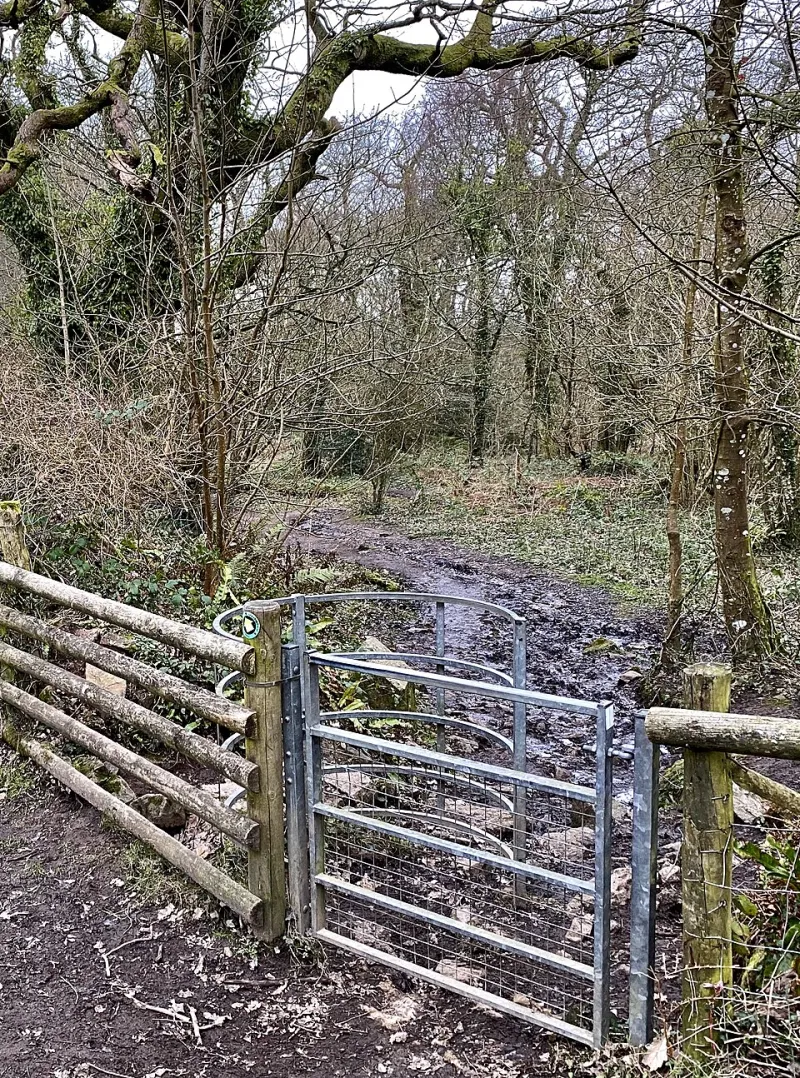
Photo: Alan Hughes , CC BY-SA 2.0, via Wikimedia Commons
November can make the Broadway feel like the centre of the universe. Buses queue, coffee queues queue, and the pavements fill with people pretending they are not already thinking about mince pies. But five minutes in almost any direction, Muswell Hill turns into something quieter: leaf mould, wet bark, the smell of woodsmoke, and paths that ask you to slow down. This is a friendly guide to some of the green corners around our neighbourhood — not an exhaustive map, just a nudge to put your boots on before the light goes.
Queen’s Wood: ancient woodland, winter quiet
Queen’s Wood is the obvious starting point, and it earns the fuss. This is ancient woodland, the kind of place where hornbeam and oak have been managed for centuries and the ground still behaves like a woodland floor rather than a park lawn. In winter the wood reveals its bones: coppiced stems, old banks, and the shapes of trees that summer hides behind leaves. It is also muddy. Properly muddy. Wear boots, stick to the main paths where the ground is churned, and take a torch if you are heading in after about 3.30pm.
The Friends of Queen’s Wood and other local volunteers do a lot of quiet work here — clearing paths, monitoring wildlife, and gently reminding visitors that this is a habitat first and a shortcut second. Small things help: keep dogs close around birds and squirrels, take litter home even if the bin is full, and avoid widening new desire lines through the undergrowth. If you want to do more than walk, keep an eye out for weekend conservation sessions and litter picks. An hour with a grabber and a bin bag is oddly satisfying.
Alexandra Park: more than a view
Alexandra Park opened in 1873 and has been Muswell Hill’s big green lung ever since. Most of us know it for the panorama towards the city, but the park is better when you stop treating it as a viewpoint and start treating it as a series of small rooms. There is the shelter of the trees near the palace remains, the quieter paths above the boating lake, and the edges where foxes and parakeets seem to have negotiated a fragile peace.
Winter is a good time to notice the park’s structure: the mature planes, the grass patterns, the way the light drops behind the trees long before the clocks say it should. The Friends of Alexandra Park and the park’s volunteer teams are worth following if you want to join tree planting, litter picks or wildlife surveys. You do not need to commit every weekend. Turning up once, bringing a flask, and helping for an hour is enough. And if you use the park cafés or toilets, spend a little there too — the small local economy around a park is part of what keeps it feeling cared for.
Parkland Walk and the edges of the map
The Parkland Walk is one of those places that feels like a secret even when you are sharing it with twenty other people and their dogs. Following the old railway line, it slips between Muswell Hill, Highgate and Finsbury Park, with embankments, bridges and unexpected views. In winter the path is quieter, the birds are easier to hear, and the whole route has a slightly abandoned, romantic feel that suits a grey afternoon.
The Friends of Parkland Walk do important work here, from habitat management to keeping an eye on the paths and reporting fly-tipping. If you walk regularly, you can help by staying on the main path, not cycling where you should not, and reporting problems rather than stepping around them. The walk is also a reminder that green space is not just parks and gardens: it is railway cuttings, verges, hedges and the scruffy bits in between. Those scruffy bits are often where the wildlife lives.
Pocket corners and community plots
Not every green space needs a name and a gate. Muswell Hill is full of pocket corners: the churchyard at St James’s, the planted edges around the library, the small front gardens that spill onto the pavement, and the allotment sites that feed half the neighbourhood’s courgettes in summer. Some are public, some are private-but-visible, and some are community plots kept going by a handful of people with secateurs and stubborn optimism.
These smaller spaces matter because they are close. They are the five-minute breathers between school run and supermarket, the bench where you eat a sandwich, the patch of daffodils you notice in March because someone planted them in October. If you have a front wall or a window box, you are part of the network too. Winter is a good time to plan: bulbs, berry-bearing shrubs, and a bit of mess for the birds.
Volunteer groups keeping the green going
Muswell Hill is lucky in its friends groups, tree wardens and sustainability volunteers. The Friends of Queen’s Wood, Friends of Alexandra Park, Friends of Parkland Walk, Haringey Tree Wardens and Muswell Hill Sustainability Group all work in different ways, but they share a basic need: more hands and fewer assumptions that someone else will do it. You do not have to become a committee member. You can join a litter pick, donate to a tool fund, share a campaign, or simply turn up to an event and say thank you.
This winter, small gestures count. Carry a spare bag for litter. Respect path closures. Do not feed the foxes or the parakeets. Keep your dog out of the muddy bits that are trying to recover. If you see a volunteer with a clipboard or a bin bag, ask what they need. The green corners of Muswell Hill are not self-cleaning, and they are not maintained by magic.
A winter walk checklist for neighbours
Go early or take a torch. Wear boots you do not mind ruining. Bring a flask, a spare layer and a bag for any litter you find. Check the weather and avoid exposed paths if it is icy. Tell someone where you are going if you are walking alone after dark. And leave the headphones off for at least part of the route — half the pleasure of a winter walk is hearing the neighbourhood breathe.
Muswell Hill’s secret gardens are not really secret. They are just easy to miss when you are rushing. This November, take the long way home. The Broadway will still be there when you get back.