Cans, Kettles and Quiet Duty: The Neighbours Keeping N10’s Saplings Afloat
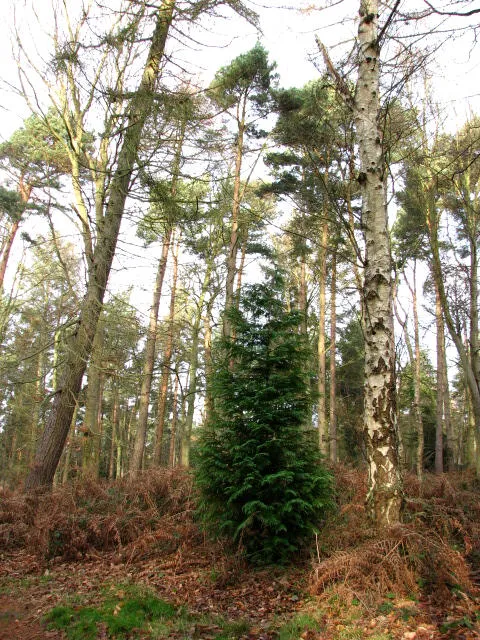
Photo: Evelyn Simak, CC BY-SA 2.0, via Wikimedia Commons
The chalk mark on Fortis Green
At 7.10am on a Tuesday, a woman in a waxed jacket is standing over a young lime tree on Fortis Green with a two-litre milk bottle and the expression of someone conducting a minor audit. She presses a knuckle into the soil, looks at the leaves, straightens the tree guard, and pours slowly until the water stops vanishing. Then she takes a stub of chalk from her pocket and makes a small mark on the kerb.
She is not on anybody’s payroll. She is one of the quieter fixtures of N10’s street-tree scene: a self-appointed carer who has learned which pits dry out first, which saplings are sulking, and which neighbours are likely to leave a note if she waters ‘their’ tree.
‘I do the four on this stretch,’ she says, ‘and the one outside the dentist because nobody else will. It’s not a big thing. It’s just noticing.’
Noticing, it turns out, is most of the job. Muswell Hill has plenty of mature trees — the plane trees, the limes, the stubborn sycamores that frame the Broadway — but the young ones are different. They are the street’s fresh arrivals, planted in pits that can be generous or grim, and their first few winters are a test of both horticulture and neighbourliness.
A roster nobody printed
There is no official list of Muswell Hill’s tree-pit volunteers. Ask five people who waters the saplings on their road and you will get five versions of the truth. One road has a WhatsApp group with a rotating rota. Another has a shared spreadsheet that three people can edit and eleven people argue about. A third relies on a chalk mark, a nod, and the kind of memory that keeps a street running.
What they have in common is detective work. A tree-pit detective notices when the soil has pulled away from the kerb. They clock the leaves that are curled at midday. They see that a guard has lost a tie and is rubbing against the trunk. They know the difference between a sapling that is settling in and one that is quietly giving up.
‘You don’t need a qualification,’ says a retired gardener from the Cranley Gardens end of things. ‘You need eyes and a bit of restraint. The temptation is to fuss. A tree doesn’t want fuss. It wants water, mulch, and for nobody to tie a banner to it.’
The council and its contractors do have routes and schedules. Young trees are watered, checked and replaced where necessary, and residents’ reports can help flag problems. But street trees are a shared public asset with a stretched maintenance budget, and the gap between scheduled care and what a dry spell actually demands is often filled by people with kettles, watering cans and a mild sense of civic ownership.
The etiquette of the watering can
This being Muswell Hill, the informal care comes with etiquette. The first rule is: water slowly, or don’t bother. A quick splash across the surface is regarded by the deep-watering faction as little more than theatre. The second rule is: don’t drown it. A sapling in heavy clay can be as unhappy with too much water as too little.
One resident on Queens Avenue was recently spotted giving a young tree a half-litre every morning. A neighbour left a note in a sandwich bag tied to the guard: ‘Please drown it once a week, not sprinkle it daily.’ The note was polite. The second note was less polite.
Then there is the grey-water debate. Some households swear by cooled washing-up water or bathwater; others worry about soap, salt and dog urine. The practical consensus is cautious: plenty of water, not too much detergent, and never anything hot. Tree guards are another fault line. They protect against strimmers and dogs, but a guard that is too tight or broken can do more harm than good. Residents report damage; they do not, as a rule, attempt repairs with cable ties and hope.
‘There’s a quiet rivalry,’ says one Fortis Green resident. ‘The deep-waterers think the sprinklers are wasting their time. The sprinklers think the deep-waterers are showing off. And then there’s the person who waters at midnight so nobody sees them. That’s the real enthusiast.’
What the crews see from the cab
Council crews and contractors see the same pits from a different angle. They know the routes, the access issues, the trees that sit under awnings or in the rain shadow of a wall. They also know that a resident who reports a dead tree, a missing guard or a leaking pit is worth ten who simply tut at it.
A quick photo and a clear location do more than a heartfelt post on a neighbourhood forum. The system is not glamorous, but it works better when the people who walk past a tree every day become its extra pair of eyes.
‘We notice the ones that get looked after,’ says a contractor who asked not to be named. ‘You can tell. The pit is tidy, the guard is straight, the soil isn’t concrete. It doesn’t mean the tree will make it, but it helps.’
Why winter is not off-duty
It is tempting to think of winter as the season when watering stops. The hose goes away, the leaves come down, and the trees are left to get on with it. In reality, a newly planted tree can still struggle in a dry winter, especially in a sheltered pit or under the eaves of a shopfront. Frost, wind and road salt add their own pressures.
The first three years are the fragile ones. After that, a tree is more likely to hold its own — deeper roots, a thicker trunk, a better chance against the next hot summer. A sapling that makes it to its fifth winter is no longer a project. It is a neighbour.
That is the long game the tree-pit detectives are playing. They are not just keeping a stick alive. They are nudging a future canopy into being: shade on the Broadway, birds in the branches, a bit less heat in July, a bit more life in the street.
How to be a helpful detective
If you want to join in, start small. Check the soil two knuckles down. Water slowly, early or late, and give a young tree a proper soak rather than a daily sprinkle. Leave the pruning to the professionals. Don’t attach signs, locks or fairy lights to the trunk. If a guard is broken or a tree looks dead, report it with a photo and a precise location.
And if you see someone on Fortis Green with a milk bottle and a piece of chalk, give them a nod. They are not officially in charge. They are just one of the people keeping N10’s next generation of trees in the ground.