Shovels Before Sunrise: The Neighbours Who Salt N10’s Steepest Streets
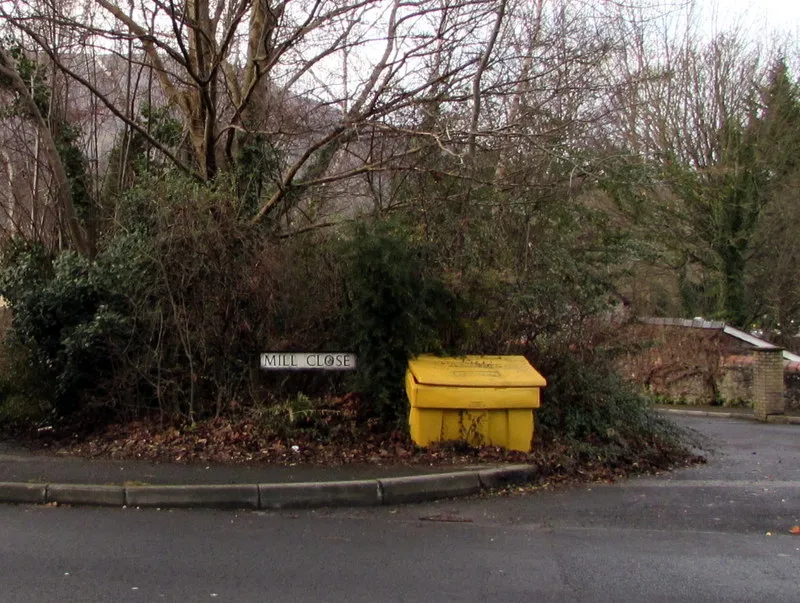
Photo: Jaggery , CC BY-SA 2.0, via Wikimedia Commons
When the forecast turns to ice, Muswell Hill doesn’t wait for a siren. It waits for the sound of a shovel. On the steepest streets—Muswell Hill Road, Woodland Rise, Cranley Gardens, the top end of Alexandra Park Road—the first scraping usually comes from a neighbour, not a council lorry.
The Bin at the Bend
There is a grit bin at the bend on Woodland Rise that has seen things. Its yellow lid is scuffed, its contents shift between rock salt and something closer to gravel, and in a cold snap it becomes the most contested piece of street furniture in N10. On the morning after a hard frost, you will find someone in a dressing gown and wellies, scooping salt into a bucket with the solemnity of a verger lighting candles.
Haringey Council’s winter service team is responsible for restocking these bins. The council says residents can report an empty or damaged bin through its website, and that bins are filled ahead of forecast cold weather. In practice, the bins empty fast. A single steep pavement can absorb half a bin in a morning. Residents on the hill’s sharper gradients have learned to treat the yellow boxes as a shared cupboard, not a private stash: take what you need, leave some for the school run, and never fill your driveway at the expense of the pavement outside someone else’s gate.
What the Gritter Does—and Doesn’t Do
The council’s gritters follow a priority network. Main roads, bus routes and routes for emergency services come first. Muswell Hill Broadway and Colney Hatch Lane are on that list. The side streets that feed them—the ones with the 1-in-10 gradients and the parked cars and the bins put out the night before—are further down the queue. Pavements are not routinely salted at all.
That gap is where the neighbourhood takes over. The council salts carriageways so that vehicles can move; residents clear pavements so that people can. The distinction matters. A gritter is a large lorry with a spreading attachment and a schedule. A neighbour with a shovel is a person who has noticed that the woman at number 14 uses a walking stick, or that the buggy brigade comes through at 8.20am, or that the bin lorry will not manage the slope if the ice sets hard.
The Unofficial Wardens
They do not call themselves snow wardens. They are just the people who happen to be up. On one street it is a retired nurse called Ruth who keeps a shovel by the front door and a bag of salt in the porch. On another it is a dad called Dev who clears the pavement from the bus stop to the school gate because he knows how many prams need that stretch. There is a WhatsApp group for the street that mostly shares bin photos and warnings about black ice, and a smaller, quieter network of people who check on older neighbours when the temperature drops below zero.
This is not organised in any formal sense. It is a rhythm. The first person out does the bit outside their own house, then keeps going to the corner. The next person does the other side. Someone puts a note on the bin: ‘Please leave some for the morning.’ Someone else leaves a spare shovel leaning against the wall. By the time the council gritter arrives, the steepest section has already been walked, pushed and prammed.
The Salt Economy
Salt comes from three places: the council bin, the hardware shop, and the neighbour who bought too much last year. The hardware shops on and around the Broadway do a brisk trade in rock salt when the forecast turns, and the queue at the till is often a queue of people who have never spoken before but will now nod at each other for the rest of the winter.
There are tensions. Bins get emptied into driveways. Bags of salt go missing. Someone spreads salt on their own path and not the pavement, and someone else mutters about it. But the general rule holds: the bin is for the street, not the household. The street is the thing that has to work in the morning.
The Steep Street Problem
Muswell Hill’s geography does not help. The hill is beautiful in snow and treacherous in ice. Buses labour, cars slide, and the pavements become a series of small decisions: do I risk it, or do I stay home? For people with mobility issues, buggies, or a shift at the hospital, staying home is not an option. The unofficial wardens are not trying to replace the council. They are trying to cover the hour or two before the council’s schedule catches up with the weather.
How to Help Without Heroics
You do not need to clear the whole street. Clear the pavement outside your house, and a little beyond. Put the snow at the edge of the road, not in the gutter where it will refreeze. Use salt sparingly—it works better as a thin layer than a pile. Do not use hot water; it melts and then freezes harder. Check on the neighbour who might not ask. Report an empty grit bin to the council. And if you are clearing a pavement, you are on safe legal ground: the law protects people who clear snow and ice reasonably and carefully.
The Morning After
The gritter usually arrives at around 8.15am on the steep streets. By then the school run has already passed. The buggies have already gone through. The woman with the walking stick has already made it to the bus stop, or decided not to. The bin lid is closed. The shovel is back in the porch. Someone has left a bag of salt for the next person.
Muswell Hill’s winter resilience is not only a council service. It is a habit—a loose, unglamorous, neighbourly habit of looking at the forecast and thinking about the hill. The grit bins help. The gritters help. But the first shovel of the morning is usually someone’s own.