The Thursday Shuffle: Doorstep Diplomacy and the N10 Bin Brigades
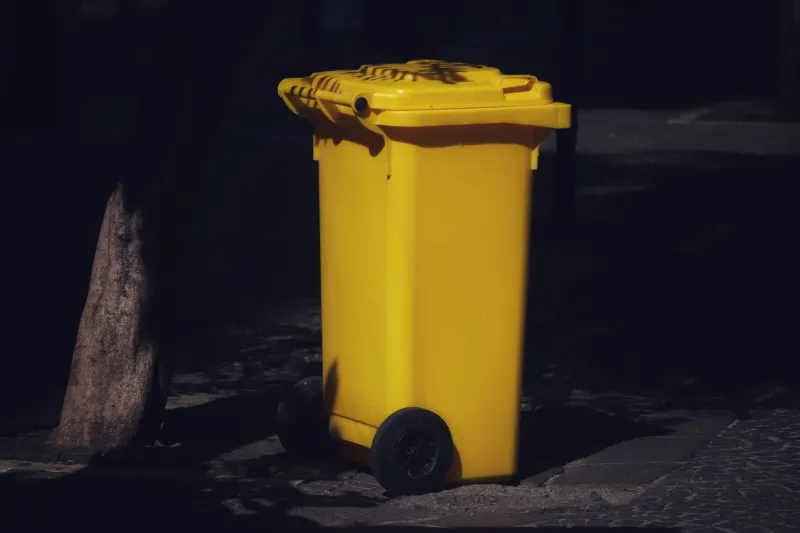
On a damp Thursday in November, the Broadway is still half-lit and the first buses are only just finding their rhythm. But on the residential streets behind it, another kind of morning routine is already underway. A phone buzzes on a kitchen counter. A front door clicks open. Somewhere near Fortis Green, a wheelie bin is coaxed out to the kerb with the quiet determination of someone moving a stubborn piece of furniture.
This is the Thursday shuffle: the unofficial, under-appreciated dance that gets Muswell Hill's bins to the pavement before the collection crews arrive. It is not organised by the council. It is not printed on a leaflet. It lives in WhatsApp groups with names like 'N10 Bin Watch' and 'Cranley Gardens Recycling Club', and in the heads of neighbours who know exactly which house is on holiday, which bin lid is broken, and whose recycling has a habit of appearing at 9pm the night before.
The 7:02 WhatsApp Roll Call
On one street off Muswell Hill Road, the group chat springs to life just after seven. 'Crews are on Colney Hatch Lane side,' reads one message. 'Blue bins out if you haven't already.' A minute later, a reply: 'Number 14 away, can someone shove ours out?' This is not civic bureaucracy. It is neighbourly logistics, conducted in the same tone people use to lend a ladder or report a escaped cat.
The groups vary. Some are strictly practical, with photos of collection trucks and reminders about bank holiday shifts. Others drift into chat about school runs, lost gloves and the state of the pavement outside the pharmacy. But the core function is the same: a distributed early-warning system for bin day. In a neighbourhood of terraces, flats and shared frontages, that system is surprisingly effective.
What Actually Goes in the Blue Bin
Ask five people in N10 what belongs in the recycling bin and you may get five slightly different answers. Cartons? Sometimes. Greasy pizza boxes? Definitely not. Soft plastics? The confusion is understandable, and it is one reason the WhatsApp groups have become informal help desks.
'I keep a screenshot of the council list on my phone,' says one Fortis Green resident, who asked not to be named because she is, in her words, 'not the official bin person, just the one who notices things'. She is not alone. Across Muswell Hill, neighbours swap reminders about rinsing jars, flattening cardboard and keeping food waste out of the wrong bin. The tone is usually gentle. The aim is not to shame anyone, but to avoid the dreaded rejection sticker or the half-empty lorry that has to leave a street behind.
The Captain on Cranley Gardens
Every informal system needs a few people who quietly hold it together. On one stretch near Cranley Gardens, that person is a retired teacher who has become the street's de facto bin captain. She does not use the title herself. But she knows the collection pattern, keeps an eye on elderly neighbours' bins, and has been known to wheel a stray recycling box back to the correct doorstep after a windy night.
Her method is simple: look out, not call out. If a bin is missed, she checks the council website before firing off a group message. If a neighbour is away, she asks whether anyone has a key or a kind offer to help. 'It is not about being bossy,' she says. 'It is about being useful. Nobody wants to come home from a week away to a bin that has been sitting there like a monument.'
Doorstep Diplomacy, Not Policing
There is a fine line between helpful and nosy, and Muswell Hill's bin brigades mostly seem to know where it sits. The best groups share information without turning into a tribunal. They remind, rather than reprimand. They accept that not everyone has a front garden, a wheelie bin of their own, or the mobility to drag one to the kerb at 7am.
That flexibility matters. Muswell Hill has a mix of Victorian terraces, purpose-built flats and newer conversions, and not every property has the same bin storage. Some streets have narrow pavements and awkward corners. A missed collection is not just an inconvenience; it can become a week-long landmark. The informal rota is, in effect, a low-tech accessibility service run by people who happen to be at their windows.
Could the Borough Bottle It?
The obvious question is whether this kind of neighbourly choreography could be formalised. Haringey Council already runs collection services and recycling communications, and there are limits to what any local authority can do street by street. But the N10 model suggests something simpler: people respond better to reminders from someone they know than to a leaflet through the door.
That does not mean the council should hand over bin day to WhatsApp. It means the informal networks are worth noticing. They reduce missed collections, cut confusion and keep an eye on neighbours who might need a hand. They also make a mundane chore feel a little less solitary. On a wet Thursday morning, that is no small thing.
Back on the Broadway, the lorry turns the corner and the street settles into its usual rhythm. Bins are returned, lids are clicked shut, and the group chat goes quiet until next week. The Thursday shuffle is over for another seven days. It leaves no plaque, no committee and no official title. Just a neighbourhood that has worked out, one doorstep at a time, how to keep itself moving.