Box Room Frequencies: The Neighbours Turning N10 Into a Listening Habit
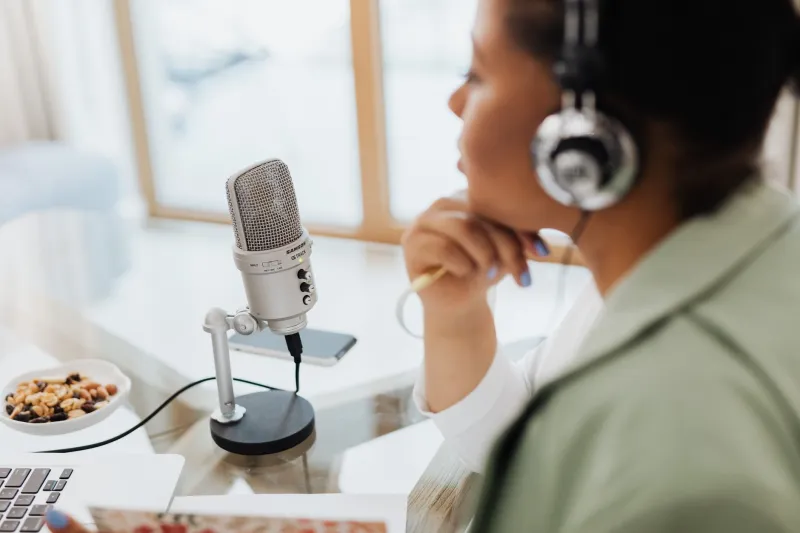
There is a particular sound that drifts out of the upstairs windows of Muswell Hill on a Tuesday evening. Not the telly, not the inevitable leaf blower, but a voice — measured, slightly too close to the microphone, saying something like: "So when you took over the shop in 1998, what was on the shelves that isn't now?"
Welcome to the box room studios of N10. Over the past couple of years, and notably through 2026, a quiet little boom has been gathering pace: neighbours recording podcasts about the neighbourhood. Not slick, not sponsored, and mostly not monetised at all. Just people with a USB mic, a spare hour and an opinion about the Broadway.
Who is actually doing this?
A rough count of what is currently publishing from the N10 postcode area turns up somewhere between eight and a dozen active shows, depending on how strictly you define "Muswell Hill" and how generously you define "active". They range from the polished to the deeply homemade.
There's a history strand, put together by a retired teacher from the Fortis Green side, which works through old maps and photographs one episode at a time — the sort of thing that makes you look at the queue at the till on St James's Lane rather differently. There's a slow-walking audio diary, recorded on a phone, that takes listeners up through the avenues towards Alexandra Park and back down again, usually in under twenty minutes and with the wind very much left in.
Then there are the interview shows. At least three of them are essentially conversations with local traders, and they have quietly built up a decent archive: the greengrocer, the man who mends shoes, the woman who has run the same counter for longer than most of her customers have lived locally.
And there's the newer, chattier wave — two friends from the Cranley Gardens end who record a fortnightly round-up of what's on, what's shut, and what's been left out for the foxes. It is, by their own admission, "mostly us complaining about parking, with occasional warmth".
The kit costs less than a round of Sunday coffees
The technical barrier has more or less collapsed. A reasonable USB microphone is forty or fifty quid. Free editing software does the rest. One producer we spoke to records in a wardrobe with a duvet over her head, which she insists is not a joke and does genuinely kill the echo.
What has changed more recently is confidence. Several of the newer shows cite the same handful of earlier ones as proof that it was allowed — that you did not need a radio background or a media pass to press record and put something out into the world about your own street.
"I thought it would be embarrassing," one host admitted. "Then I heard someone else doing it slightly worse than me and thought, right, fine."
How do you find guests?
Mostly badly, at first, and then by word of mouth. The pattern seems to be: you ask one person you already know, they mention somebody else, and within three episodes you have a running list you will never get through.
Several hosts said the best episodes came from people they approached cold — the shopkeeper who initially said no, the librarian who said yes immediately. The library on Queens Avenue comes up repeatedly, both as a place to record and as a place to find people willing to talk.
There is also a small but growing etiquette around it. Ask in person, not by email. Don't record in a shop during the lunch rush. Send the finished episode to the interviewee before it goes out, even though nobody has ever asked for a change. And always, always buy something.
The awkward question of audience
Here is the thing nobody in the scene likes to dwell on: the numbers are small. A good episode might get a few hundred downloads. A niche one might get thirty, and half of those are the guest's family.
But the people making these shows argue that this is the wrong measurement entirely. A hyperlocal podcast is not competing with the big networks; it is closer to a parish magazine with a voice. Thirty listeners who all live within a ten-minute walk is a different kind of thirty from thirty strangers in Ohio.
"I've had people stop me in the Co-op and quote a line back at me," one host said. "That never happens with anything else I've made."
There is also a practical limit to growth. Go too broad and you lose the specificity that made it worth doing — the references to the 102 bus, to the state of the pavements after the leaves come down, to which café has the good window seats in the afternoon. The narrowness is the product.
What it adds to a place that already talks plenty
Muswell Hill is not short of conversation. There are noticeboards, newsletters, the eternal group chats, and the reliable informal network that operates between the bakery queue and the school gate.
What a podcast adds is a record. A conversation that would otherwise have happened once and vanished now sits there, timestamped, waiting for someone to find it three years later. For a neighbourhood that has changed a great deal and is likely to keep changing, that is not nothing.
It also does something subtler: it gives people a reason to ask questions they would otherwise feel nosy asking. What was here before? Why did that close? Who decides these things? A microphone is, it turns out, a very good excuse for a long chat.
Where it goes next
Nobody is predicting a boom in the formal sense. The likeliest future is more of the same: a slow trickle of new shows, a few going quiet after six episodes, a few quietly becoming fixtures.
But there are hints of something more organised. There has been talk — nothing confirmed — of a shared equipment library, and of a regular evening where people making local audio can compare notes and swap guest leads. If that happens, the barrier drops again.
In the meantime, the recordings continue. Up in the box rooms, behind the curtains, one neighbour at a time is asking another what it is like to live here — and pressing save.
If you make something about N10 and we haven't found you yet, we'd genuinely like to hear it.