Fix, Don’t Bin: A 2026 Repair Map of Muswell Hill
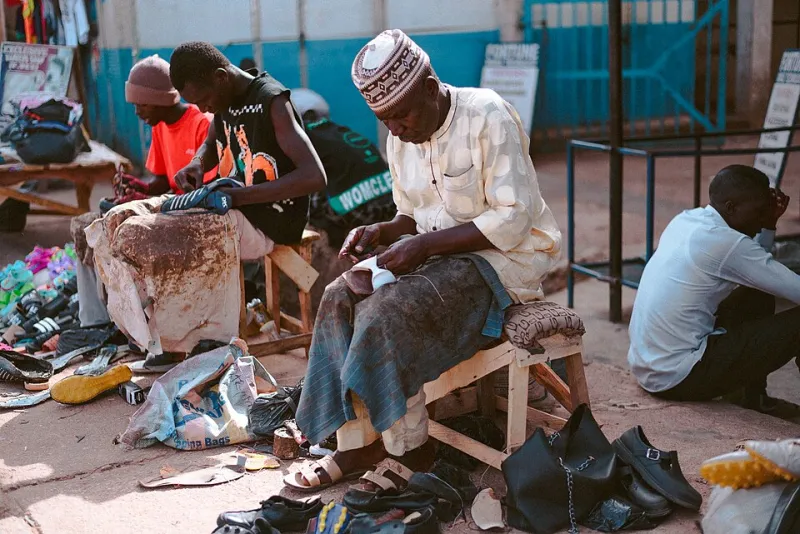
Photo: Jagaesar, CC BY-SA 4.0, via Wikimedia Commons
Muswell Hill has a quiet superpower: it is rather good at keeping things going. A favourite coat with a broken zip, a lamp that flickers, a chair that wobbles — these are not landfill problems. They are small puzzles with local solutions. In 2026, with repair costs rising and the climate case for mending getting louder, we asked around the neighbourhood for the practical places to take your broken things.
This is not a romantic list. It is a working map: names, streets, typical prices and realistic waiting times. Some of the people we spoke to asked not to be named, and a few prices vary by job. Treat this as a starting point, then ring ahead.
Why repair is having a moment in 2026
There are two reasons. The first is money. A new kettle costs £25 to £40; a repair might cost £15 to £30. A good coat can be re-zipped for less than half the price of a replacement. The second is the quiet satisfaction of keeping something you like. 'People bring me shoes that are twenty years old,' says a cobbler on Fortis Green Road. 'They do not want new shoes. They want their shoes.'
Cobblers and shoe repairs
Start with shoes, because shoes are where repair makes the most obvious sense. The cobbler on Fortis Green Road handles heel replacements from about £15 to £25, stick-on soles from £20 to £30, and full resoles from £35 to £55 depending on the material. Waiting times are typically three to five working days, longer in the run-up to winter. Bring the shoes clean and dry. If you are unsure, ask for a quote before the work starts.
A second option near the Broadway offers zip replacements on boots from £30 to £45, and stitching repairs from £10 upwards. Turnaround is usually a week. The best value is often a heel tip before it wears through to the sole: £8 to £12 and five minutes if they are not busy.
Tailors and clothing alterations
The tailor near Cranley Gardens is the sort of place where a winter coat gets a second life. A zip replacement on a coat typically costs £25 to £40. Taking in a waist or shortening sleeves is £15 to £25. Repairing a lining can be £20 to £35. Waiting times sit at one to two weeks, and longer in November. Bring the garment clean, and bring the shoes you plan to wear with it if the hem matters.
For smaller jobs — a dropped hem, a loose button, a torn pocket — a repair café will often do it for free or a donation. It is worth checking local noticeboards for monthly sessions.
Electricals and small appliances
Kettles, toasters, lamps and radios are not always worth repairing, but more are than people think. A small electrical repairer in the neighbourhood will look at a kettle for a £10 to £15 inspection, with element or switch repairs usually £15 to £30. Lamps are often a £15 to £25 fix, depending on the switch or cable. Waiting time is often a week or less for straightforward jobs.
The rule of thumb: if the fault is a cable, plug, switch or element, ask for a quote. If the appliance is sealed and the repair is likely to cost more than half the price of a new one, it may be time to let it go. Always ask whether the repairer is insured and whether they will test the item before you take it home.
Furniture and wobbly chairs
A wobbly chair is rarely a write-off. A furniture restorer on the Colney Hatch Lane side of the neighbourhood will tighten joints, replace dowels and glue and clamp a chair for £25 to £45. Re-covering a dining chair seat starts at around £40 to £60 plus fabric. A small table repair is usually £30 to £50. Waiting times are one to three weeks, depending on the workshop's backlog.
If the piece has sentimental value, say so. Restorers are used to working to a budget, and they will tell you honestly whether a repair is sensible.
Repair cafés and pop-ups
Repair cafés are the friendly front door to mending. They are usually volunteer-run, held monthly in community venues, and they cover textiles, small electricals, bikes and sometimes furniture. Expect to wait your turn, and expect to learn something. Most ask for a donation of £3 to £5 per item, though some are free. They will not guarantee a fix, and they will not take on anything dangerous. But they are a brilliant first stop for a lamp, a hem or a wobbly chair.
Before and after: three small victories
A reader called Helen brought a 12-year-old winter coat to a tailor near the Broadway with a broken zip and a torn lining. Cost: £38. Turnaround: nine days. 'It feels like a new coat,' she says. 'And it fits better than anything I could have bought.'
A retired carpenter brought a kitchen chair with a split seat to a repair café. A volunteer glued and clamped it, then showed him how to oil the joints. Cost: £4 donation. 'I came for the chair,' he says. 'I stayed for the company.'
And a student brought a desk lamp that had stopped working. A local electrical repairer replaced the switch for £18. 'I was about to buy a new one for £30,' she says. 'This one is metal and it matches my room.'
How to make a repair last
Ask for a written quote. Keep the receipt. Clean things before you take them in. Be honest about how you use the item. And if a repair is not economic, ask whether the repairer can recycle the parts. Muswell Hill is full of people who know how to fix things. The trick is to use them before the bin becomes the easy option.
Have a repair story or a recommendation? Email the Journal at the usual address. We will keep this map updated through 2026.